Gingko Biloba: Boost Memory and Regenerate Neurons with this Ancient Plant

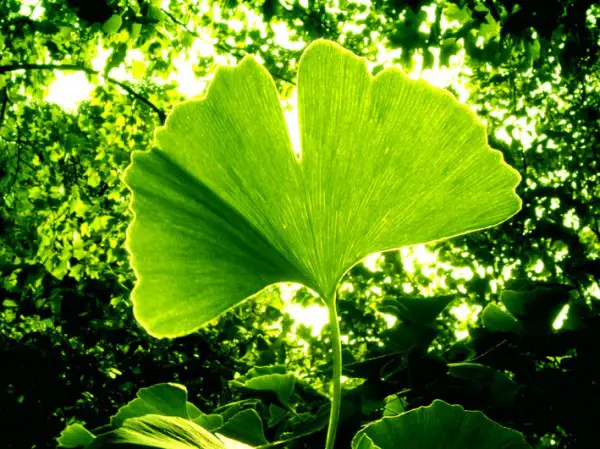
Considering the fact that gingko biloba is the oldest known tree in existence (deemed for this reason a “living fossil“),
isn’t it poetic how this plant has also been used to promote long life as both a food and medicine in traditional cultures as well?
Clearly, this plant has figured out a way to optimize longevity in face of many of the same adversities humans face, e.g. predators, infections, fluctuations in nutrient availability and climate, etc. And so, by consuming that plant, could it not lend some of its power and (phytochemical) wisdom to those imbibing it, as was commonly believed by ‘pre-scientific’ cultures throughout the world who considered plants their “allies”?
In ancient times, if something worked in practice, it was considered validated by that fact. This was no academic affair, as even a slight advantage or disadvantage in immunity or metabolism could translate into life or death consequences. Of course, they didn’t have the luxury nor means to employ randomized, double-blind, placebo controlled trials, before trying out a medical intervention.
And yet today, we have the lens of science to plumb the depths of traditional approaches to healing, in order to ascertain the many ways a natural substance may protect against disease as well as the plausible mechanisms with which they do so. And this enterprise has gifted us with a massive database of information that can help us to attain even greater appreciation for the power of traditional medicine to not only heal, but do so in a way that is often superior to drugs within the conventional pharmacopeia. Gingko biloba, I believe, is an ideal example of this…
The Power of Ginkgo Biloba Confirmed by Science
The first time I really started to grasp Gingko biloba’s power to heal the brain occurred when I stumbled upon a 2006 paper published in the European Journal of Neurology which described a 24-week randomized, placebo-controlled, double-blind study showing an extract of this plant was as clinically effective as the blockbuster donepezil for mild-to-moderate Alzheimer’s disease:
“Our study suggests that there is no evidence of relevant differences in the efficacy of EGb 761 [gingko biloba] and donepezil in the treatment of mild to moderate Alzheimer’s dementia, so the use of both substances can be justified. In addition, this study contributes to establish the efficacy and tolerability of the Ginkgo biloba special extract E.S. in the dementia of the Alzheimer type with special respect to moderately severe stages. “[i]
Amazingly, this was not the first study to ascertain significant medicinal properties in gingko biloba. In fact, if you peruse the database on Greenmedinfo.com on gingko you will find it has been studied to have value in over 100 different diseases, and has been identified to have at least 50 distinct beneficial physiological actions. Isn’t this amazing? Consider that the average FDA approved drug has 75 known adverse health effects for every purported health benefit.
Clearly, a plant with this much power to heal, including the ability to compete with a multi-billion dollar drug in ameliorating what is considered “incurable” neurodegenerative disease – Alzheimer’s disease – is worth exploring in greater depth.
As far as its brain regenerative properties, it has already been known that gingko can stimulate brain-derived neutrophic factor (BDNF), a protein found in the brain and in the peripheral nervous system which is essential in the regulation, growth and survival of brain cells. It is especially important for long-term memory. The ability to increase BDNF, therefore, implies it will improve brain and cognitive function. But this, alone, does not reveal the whole story on why gingko is so special, as a wide range of substances are capable of increasing BDNF, including coffee, grape seed extract, green tea, and even aerobic exercise.
https://wakeup-world.com/2015/08/31/gingko-biloba-boost-memory-regenerate-neurons-with-this-ancient-plant/


Комментарии
Отправить комментарий